The AI visibility blog
Practical guides for B2B companies: how to check whether ChatGPT, Gemini and Perplexity mention you, what SEO, AEO and GEO mean, and what to do so AI recommends you.
15 articlesPreberite blog v slovenščini
What Is GEO Optimization and How Is It Different From SEO?
GEO (Generative Engine Optimization) is optimizing your website and content so that generative AI search engines such as ChatGPT, Gemini, Perplexity and Claude mention and recommend you in their answers. SEO aims for a ranking and a click on Google, while GEO aims for your brand to be mentioned in the answer AI composes.
Read the articleLatest articles
AI visibility
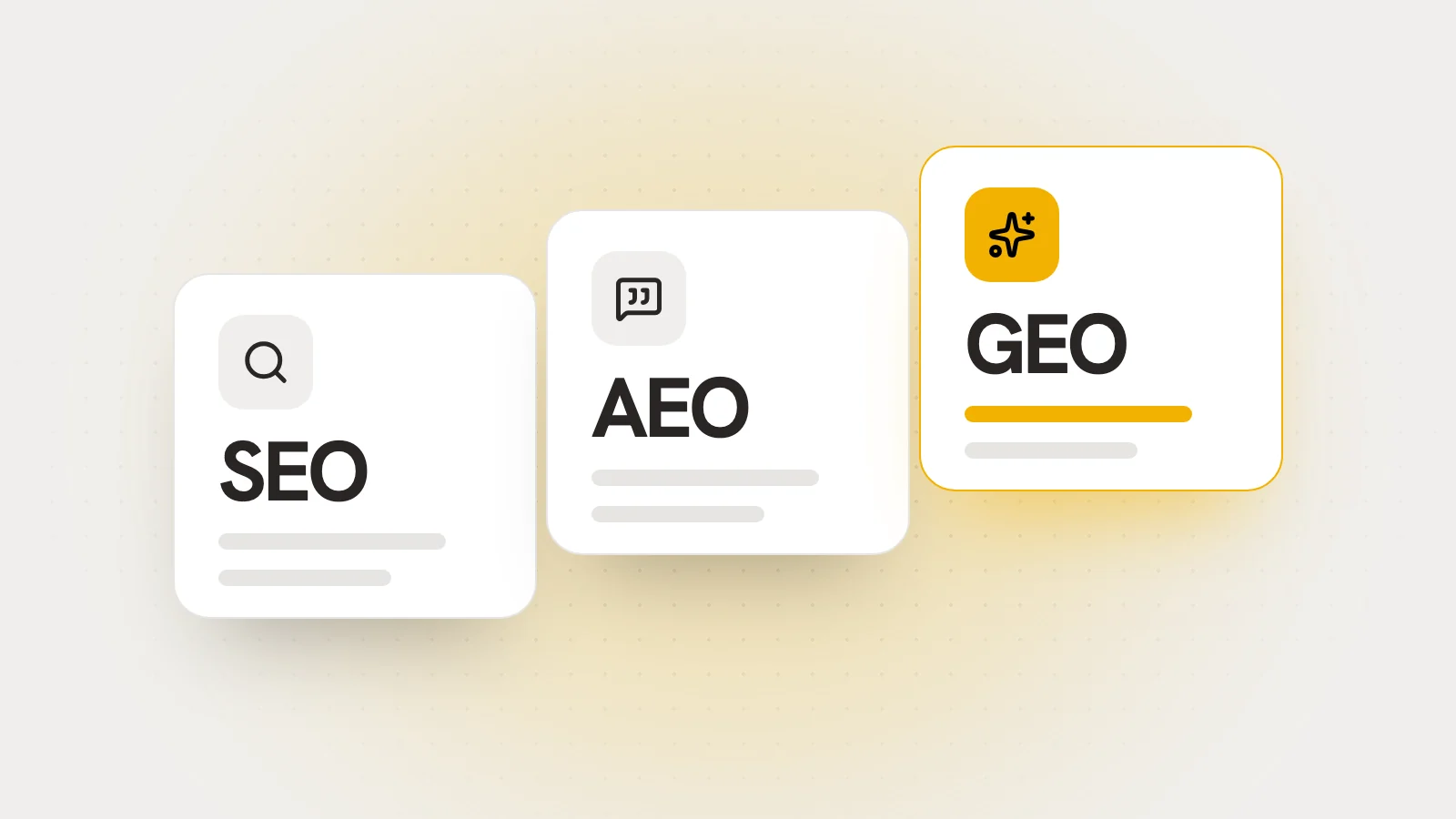
SEO, AEO and GEO: What Do B2B Companies Really Need?
SEO improves your Google ranking so buyers click through to your site. AEO shapes your content so AI uses it as a direct answer. GEO makes sure ChatGPT, Gemini and Perplexity mention and recommend you. A B2B company needs all three, because buyers now search in all three places.
AI visibility
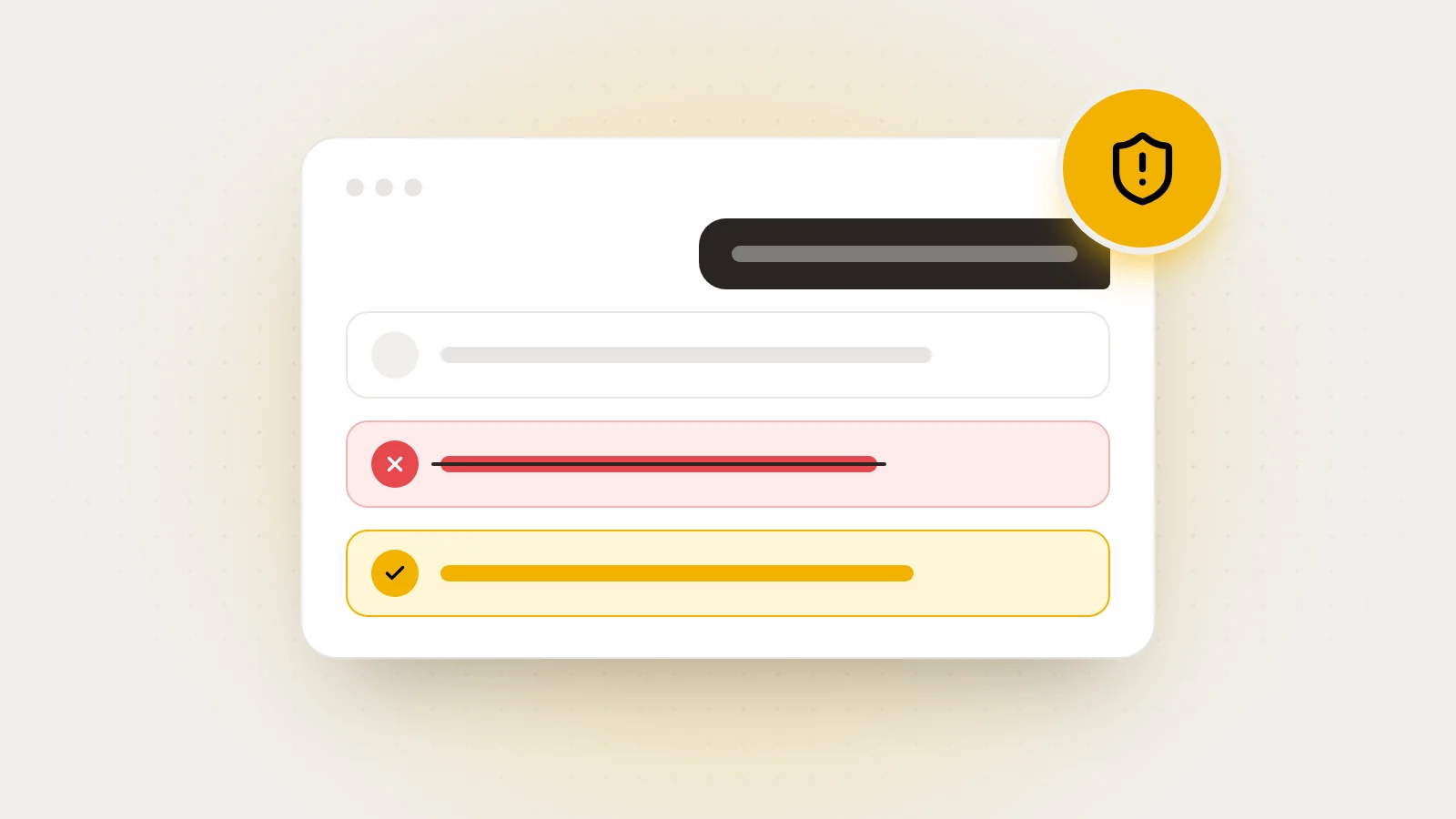
What ChatGPT Gets Wrong About Your Company, and How to Fix It
ChatGPT most often picks up wrong company facts from outdated or inconsistent sources. Fix them by stating the correct facts clearly on your own site, aligning them on LinkedIn and in business directories, and marking them up with structured data. AI picks them up when it reads those sources again.
AI visibility
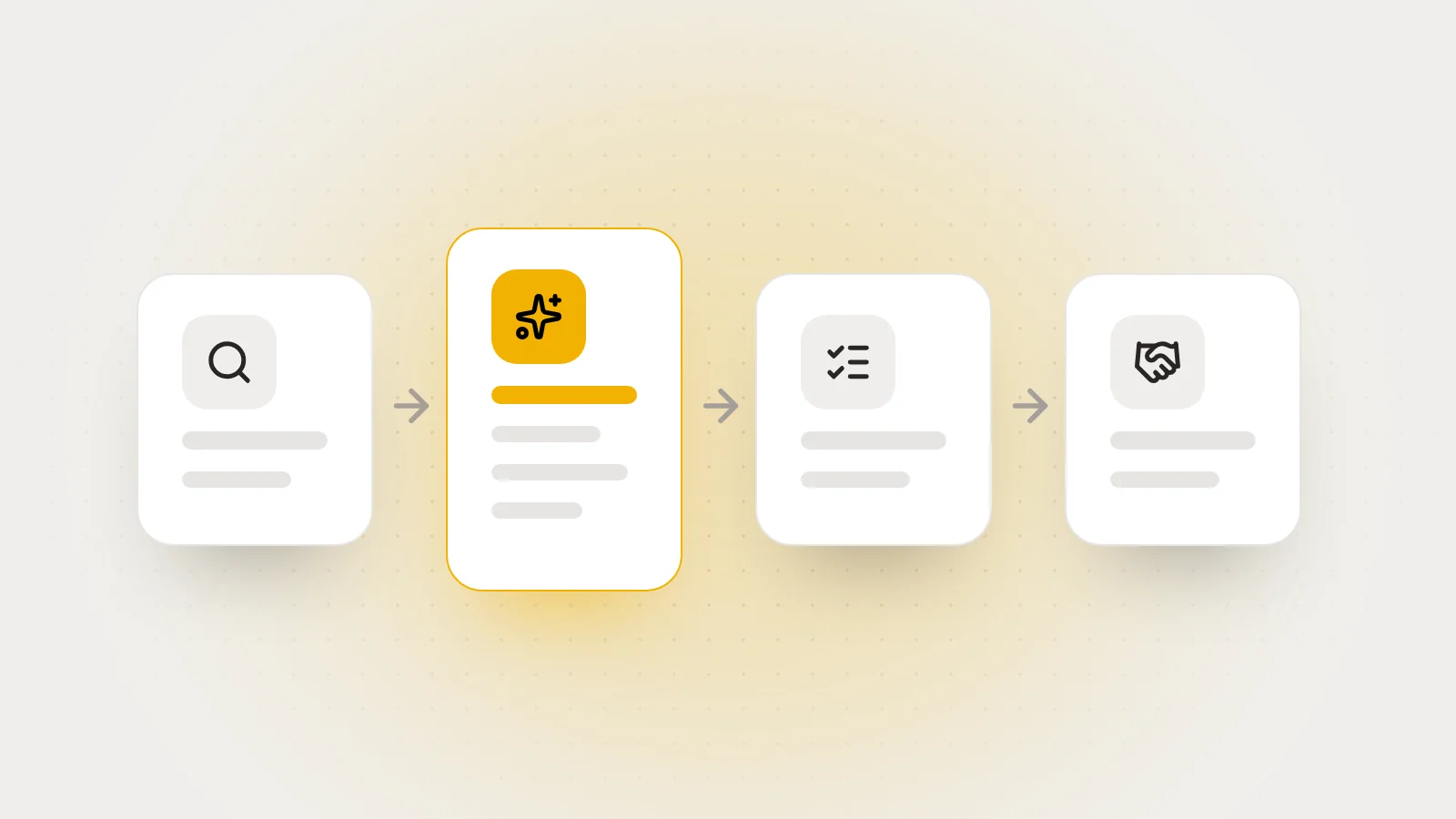
How AI Is Changing the B2B Buying Process
B2B buyers use AI tools to find suppliers, compare providers and build a shortlist before they ever contact sales. In Forrester's latest survey, 94% of business buyers say they use AI at some point in their buying process, and according to 6sense's 2026 report, 81% use an LLM such as ChatGPT at some point in the buying journey. A company AI doesn't mention often never makes the shortlist.
AI visibility
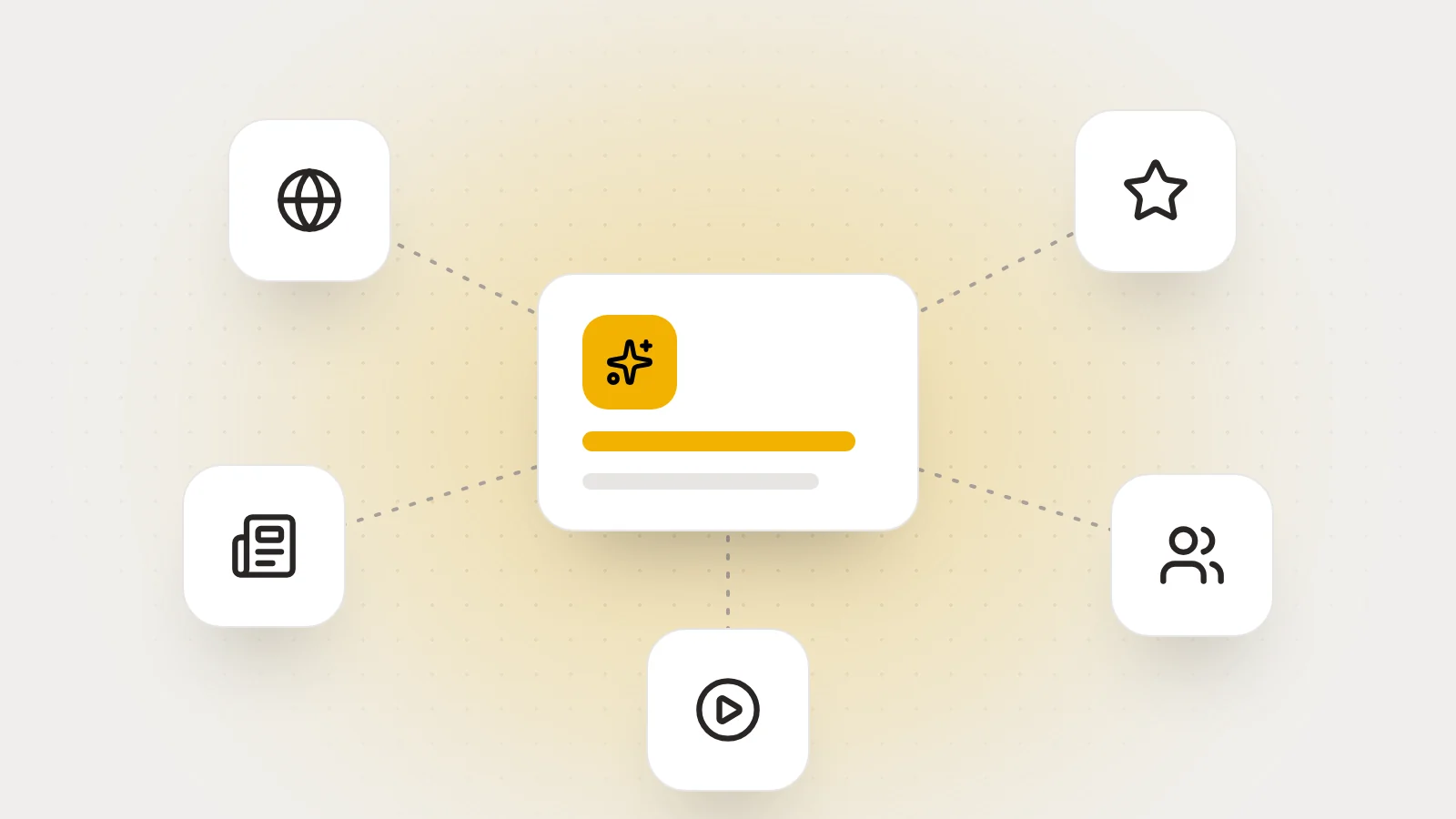
Which Sources Influence Who ChatGPT Recommends?
When recommending, ChatGPT and other AI search engines rely most on third-party sources: comparisons and lists, industry directories, media, LinkedIn and YouTube. According to Bain (2026), 89% of unbranded AI prompts, those that don't name a specific brand, are answered from third-party sources rather than the brand's own website. Your site is the foundation, but others build the recommendation.
AI visibility
Your LinkedIn Company Page as a Source for AI: What to Post
In an analysis of 9.5 million AI citations on B2B topics, LinkedIn was the second most cited source, behind only YouTube (Meltwater and LinkedIn, May 2026). Your company page serves AI as a source of company facts and as proof the company is active. What helps most is regular posting that answers buyer questions, in the form of lists, comparisons and articles, plus facts that match your website.
AI visibility
How Much Does AI Visibility Cost? What Drives the Price
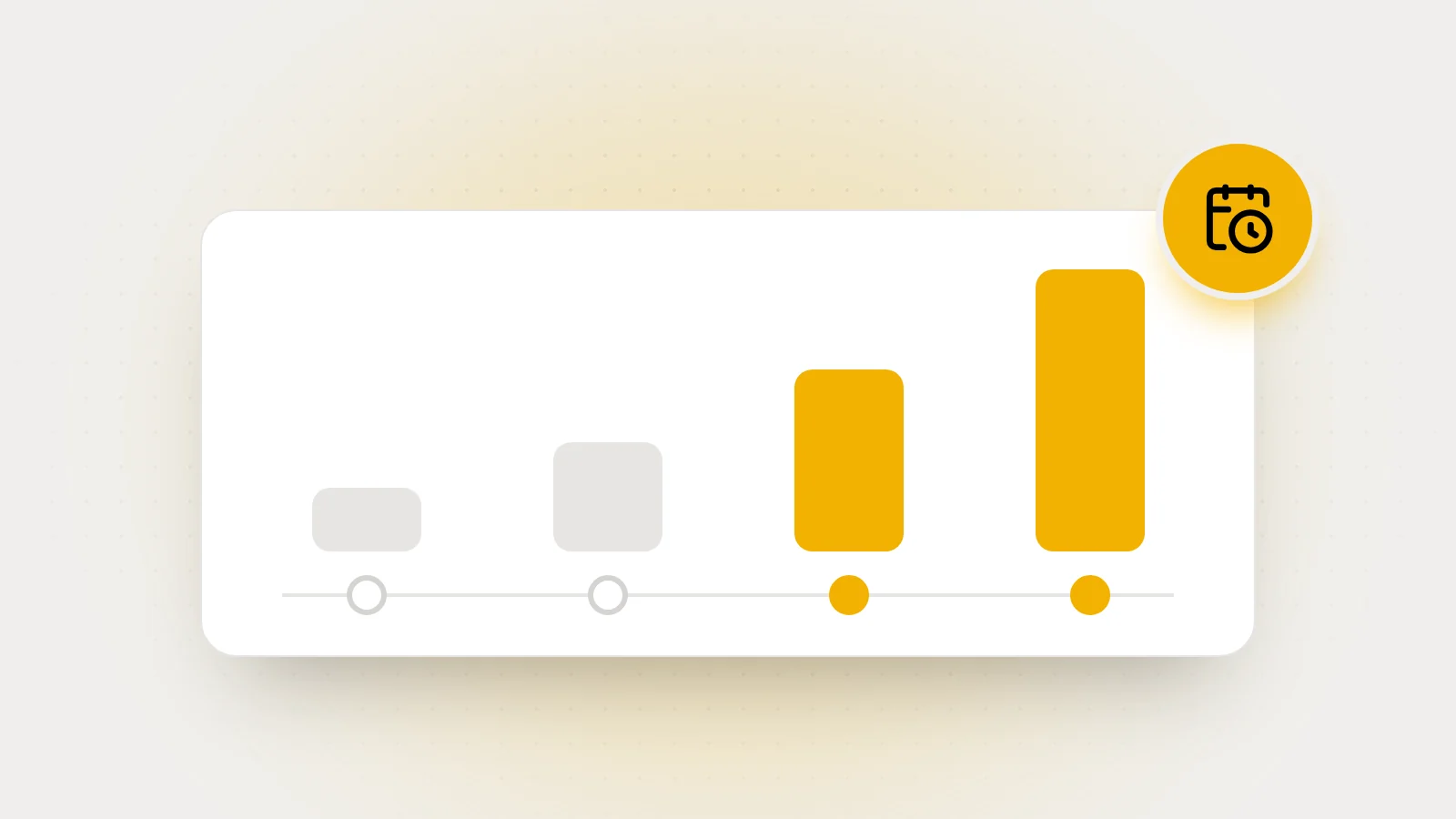
The price of AI visibility (GEO and AEO) depends on five things: how many buyer questions are tracked, in how many AI search engines, how much new content is created, whether the provider also implements the fixes, and whether a presence on external sources is included. It is usually delivered as a monthly or multi-month program, because visibility builds over time.
AI visibility
How Long Does It Take Before AI Starts Mentioning You?
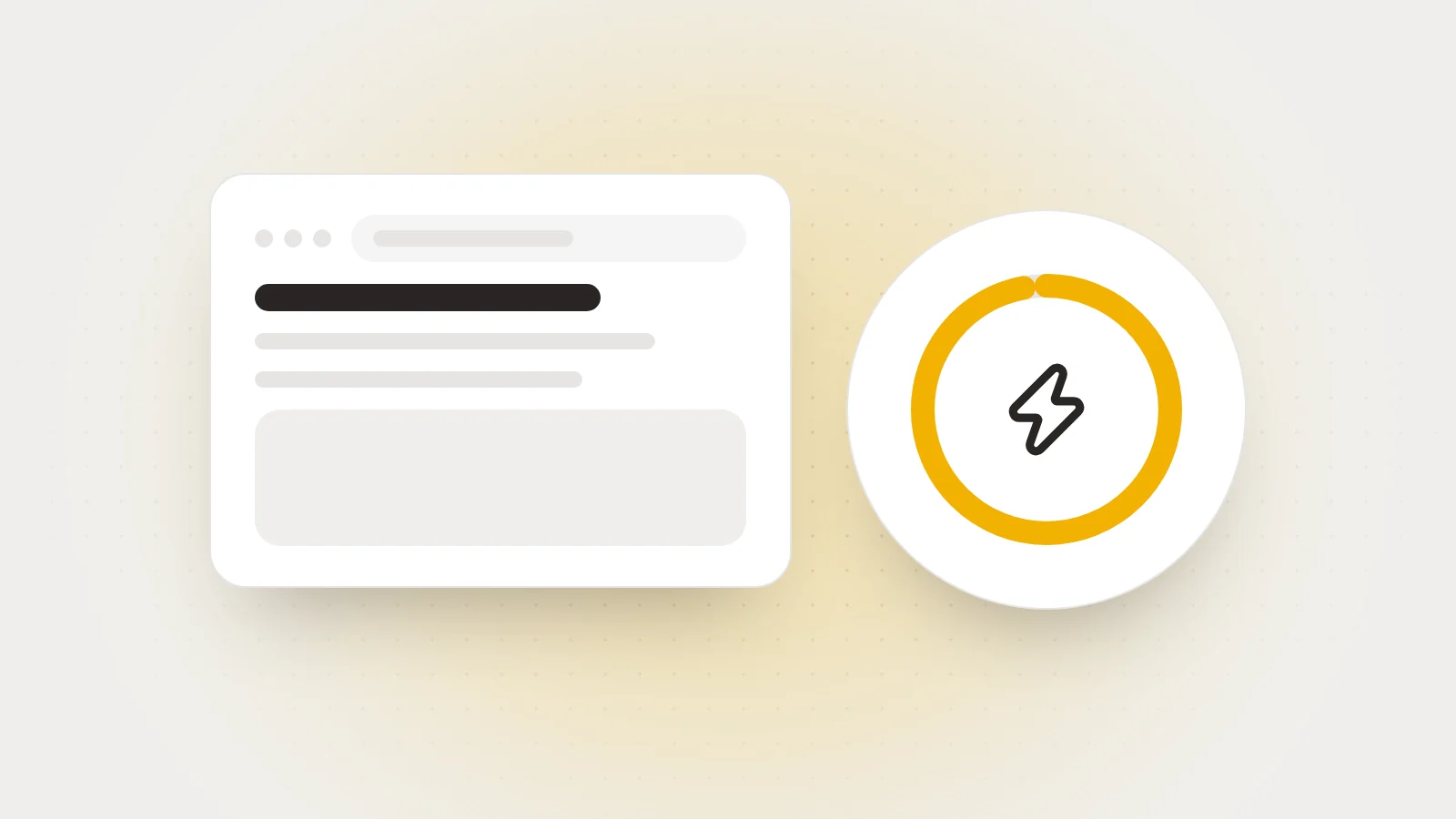
Technical fixes start working within a few weeks, once AI search engines read the site again. New content needs a few weeks to a few months. A noticeable shift in the share of mentions usually takes 3 to 6 months, and building authority on external sources 6 to 12 months.
AI visibility
Does Website Speed Affect AI Visibility?
As a threshold, yes. As a ranking boost, there is no evidence. There is no reliable public data that faster pages earn more AI citations. Speed works as a threshold: AI crawlers fetch pages in seconds and may skip ones that are slow or that only show content after heavy JavaScript. Speed alone doesn't earn mentions, but it is a precondition for your content to be considered at all.
AI visibility
Do Schema and llms.txt Really Help AI Visibility?
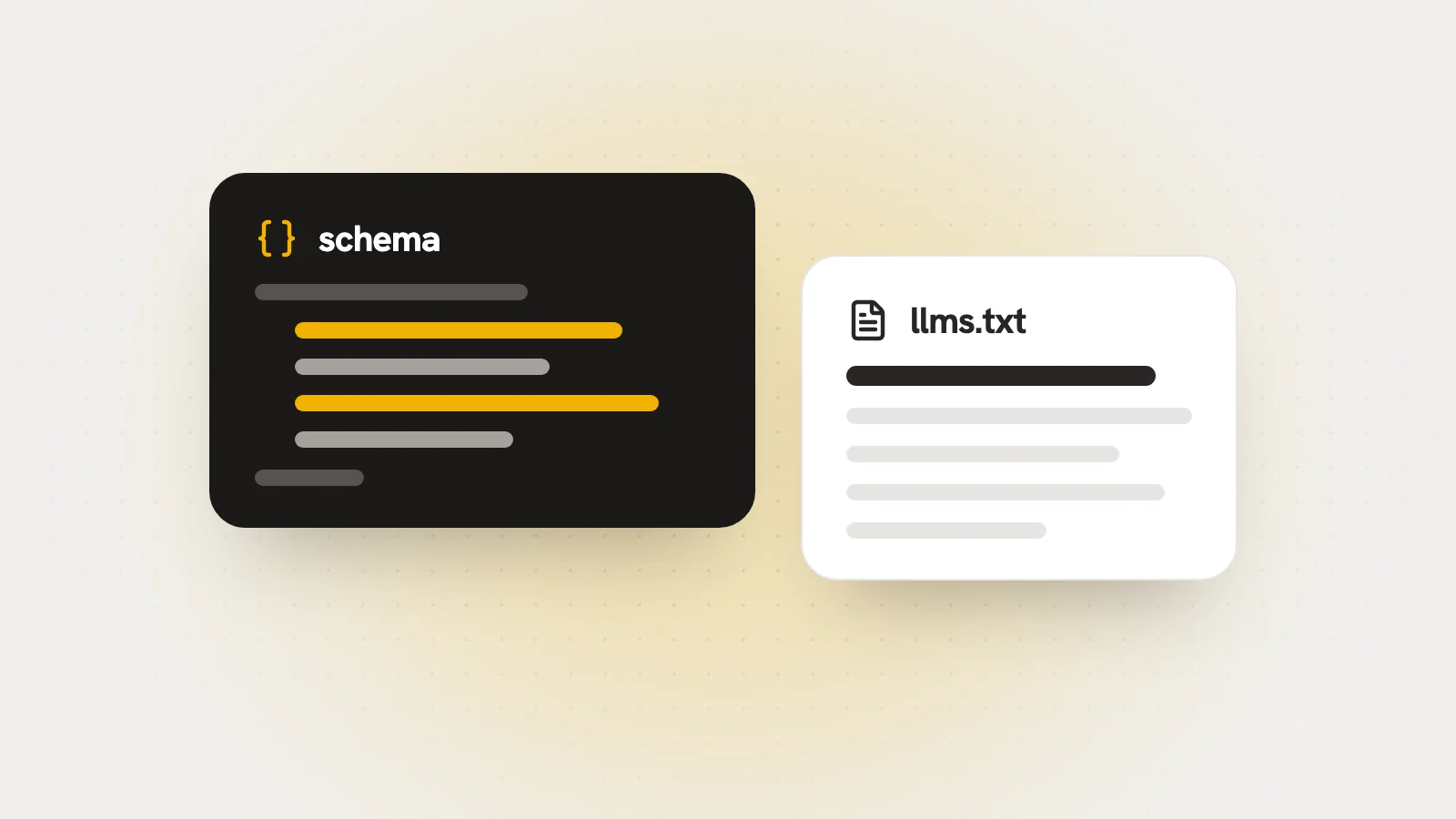
Partly. Structured data (schema) helps AI understand unambiguously who you are, but on its own it doesn't bring more mentions. Ahrefs found no statistically significant increase in citations across 1,885 pages that added schema. There is no confirmation that major AI search engines use llms.txt. What matters most is whether AI search engines can read your site at all, and what they find there.
AI visibility
Is Your Website Ready for AI Agents?
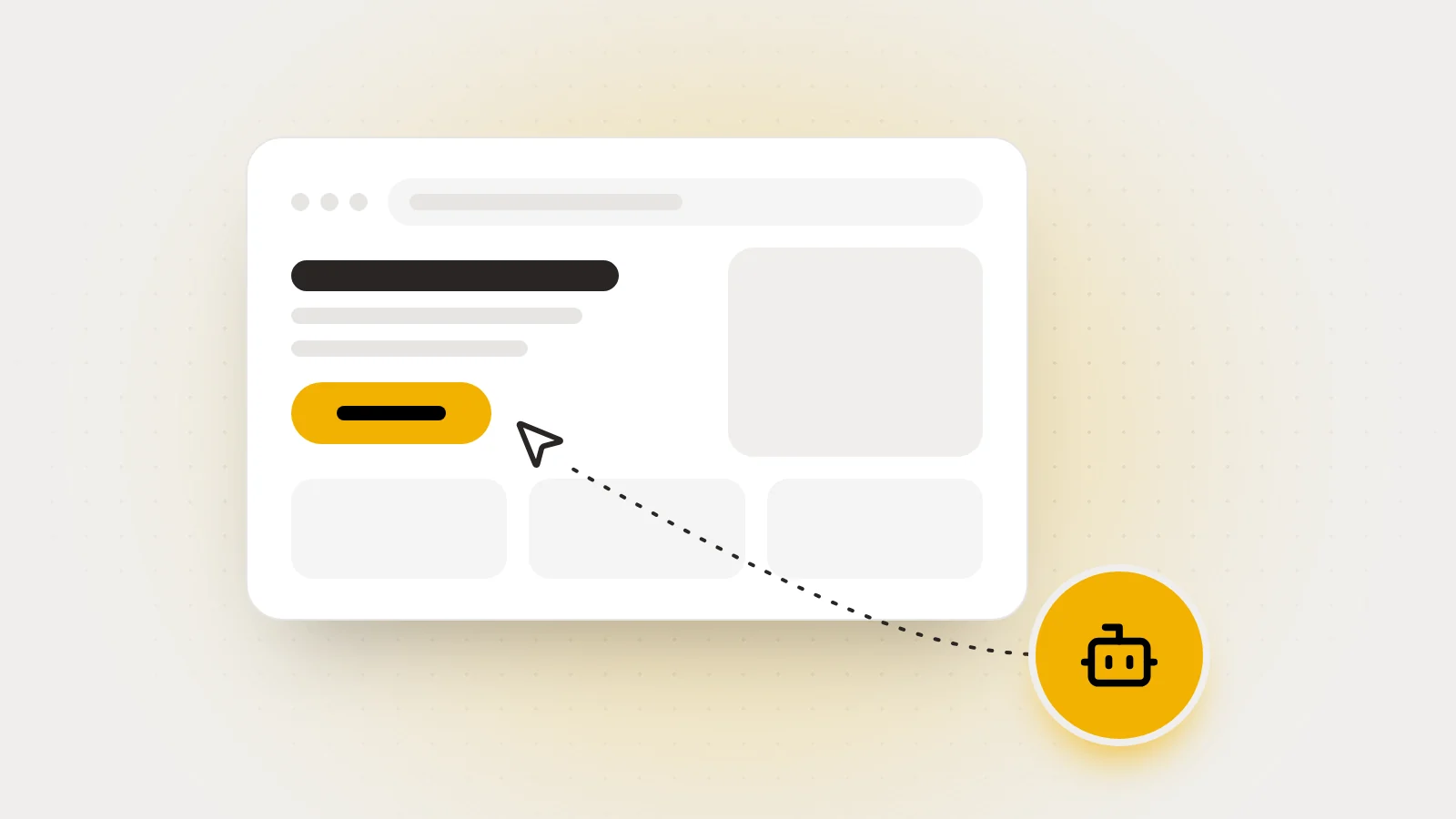
AI agents are AI assistants that visit websites on the buyer's behalf, compare providers and sometimes fill in forms. A website is ready for them if it shows key information (services, specifications, indicative prices, contact) as readable text, loads fast and has clear forms a machine can complete.
AI visibility
How to Track ChatGPT Traffic in Google Analytics 4
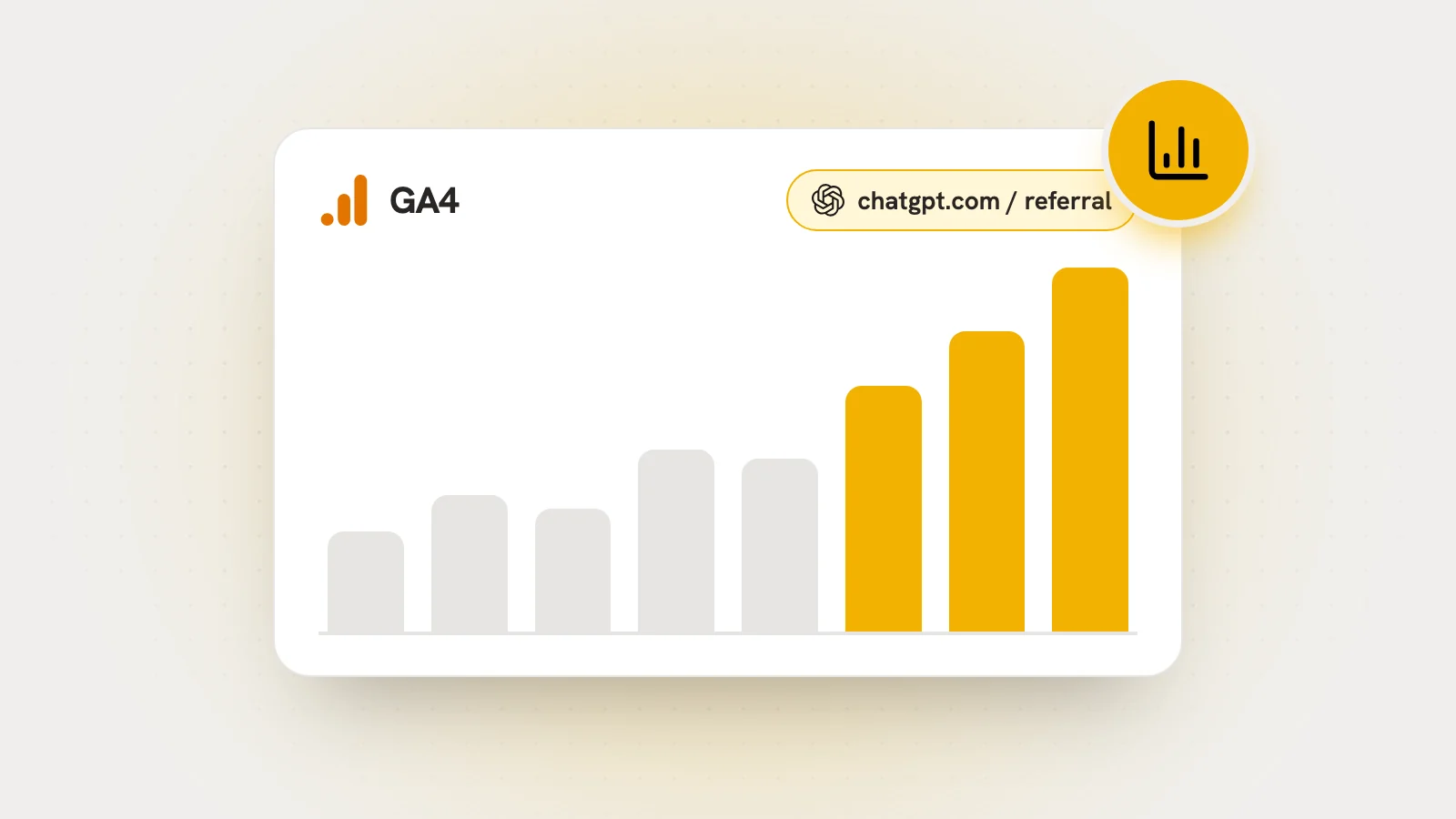
In Google Analytics 4, create a custom "AI search" channel group that combines visits from sources such as chatgpt.com, perplexity.ai, gemini.google.com, claude.ai and copilot.microsoft.com. Keep in mind that part of AI traffic has no source and shows up as direct, so track AI traffic alongside inquiries and mentions in AI answers.
AI visibility
Why Doesn't ChatGPT Recommend You When You Rank #1 on Google?
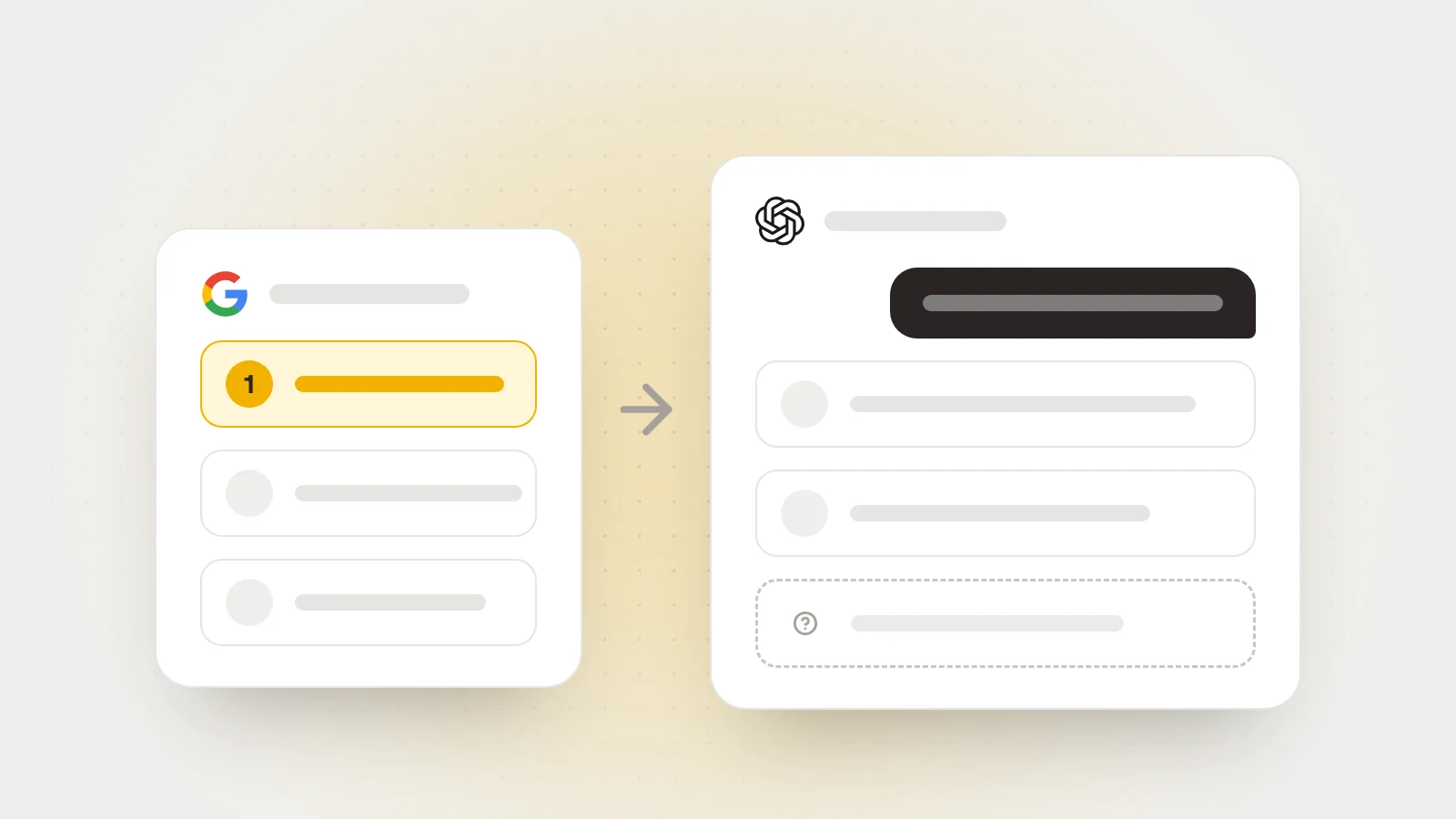
Because ChatGPT chooses sources differently from Google. According to Ahrefs, fewer than 1 in 10 of the pages ChatGPT cites also rank in Google's top 10 for the same query. AI doesn't rank links, it composes an answer, so it favours clear answers, consistent company facts and mentions on other trusted sources.
AI visibility
How to Check if ChatGPT Mentions Your Company: a 5-Step Guide
Write down 10 to 20 questions your buyers would ask, put them to ChatGPT, Gemini and Perplexity, and for each one note three things: whether AI mentions you, who it mentions instead, and whether the facts about you are correct. Repeat the check every month, because AI answers change.
AI visibility
What Is AEO and How Do You Write Content AI Uses as the Answer?
AEO (Answer Engine Optimization) is optimizing content so AI search engines such as ChatGPT, Gemini and Google AI Overviews recognise it as the most relevant answer to a question. The content must give the answer in the first sentence and then explain the context, with questions as subheadings and concrete facts.